
 United Kingdom Schubert – A Moment in Time (Album Launch): Christian Blackshaw (piano). Wigmore Hall, London, 24.2.2026. (CC)
Schubert – Impromptus, D 899 (1828): No.1 in C minor; No.3 in G-flat (encore); Piano Sonata in B-flat, D 960 (1828)
Christian Blackshaw is a supreme musician; his Schubert is imbued with profound beauty. This particular Tuesday lunchtime, a capacity Wigmore Hall audience was almost completely silent throughout, erupting into rapturous applause at the end and rewarded with a bonus Impromptu. This all acted as a reminder of Blackshaw’s supreme resonance with Schubert. Did it eclipse his remarkable recital in Lerici in 2024 (review here) All four Impromptus of D 899 there, and the Robert Schumann Fantasie)? No, although I am sure the energy of the place helped on that occasion.
The miracles began at once: the C minor Impromptu begins with a simply stated octave, placed so perfectly by Blackshaw, bold but burnished. It immediately drew us all in and one could almost feel the air thicken with the combined concentration. A single-line melody, a funeral march perhaps, follows, beautifully phrased. Blackshaw knows he can dare to deliver true pianissimos; he also knows exactly how to gauge inner voices, bringing them to life without any trace of over-emphasis, especially perhaps the off-beat countermelody of later in the piece.
It was telling that there was no applause between pieces; D 960 emerged out of silence, the melody legato, the trill of astonishing import. No mere decoration, instead a summoning of the piano’s deepest – and disturbing – secrets. The first movement (with exposition repeat, so we heard the ‘extra’ bars) unfolded on a vast canvas, profound and at an entirely natural pace, a perfect blend of structure and freshness. Single lines linked back to the C minor Impromptu, a fascinating aspect that shows how careful programming can positively illuminate the familiar.
From Molto moderato to Andante sostenuto: if Blackshaw’s slow movement was not the Winterreise portrait of Elisabeth Leonskaja or Imogen Cooper, it was a portrayal of a still chilly interior landscape. Blackshaw took risks: not every note spoke as he intended, but the conception remained ever-vibrant. The tiniest alterations of the original paragraphs on their return later made maximal impact: a neighbour note here, an added ascent there. The Scherzo was schezo-fast but nevertheless contained the very essence of dance; and Blackshaw’s grasp of off-beats in the Trio was perfectly destabilising, each accent perfectly placed.
Another parallel: the single octave that launches the finale, right back to that first sonority of the recital, again perfectly together. Healing Blackshaw’s right and left hand dialogues was a dream, the piano coming to conversational life; again, off-beat destabilisations, now jauntier and more playful, worked a treat, here set amongst moments of real grandeur.
The G-flat major Impromptu was the perfect close, warm. Lyrical, a song for piano (Blackshaw’s own notes reminded us this piece was originally published in G major in 1857; as he writes, it ‘defies belief’. From key-based profanity, back to more profundity; and were those left-hand trills another Rϋckblick, now to the opening of D 960? The mind creates connections, after all – but what is without doubt is that this was some of the most mature Schubert interpretation I have heard.
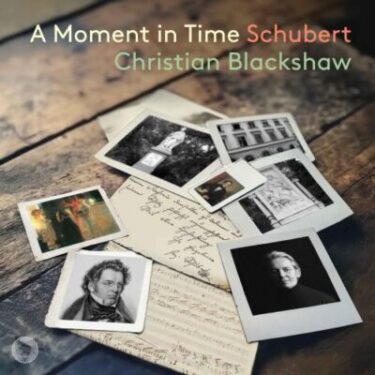
Thank goodness the Pentatone recording, which his recital launched, is available. There, the effect is just as powerful, but different: the communal sharing of Schubert’s universe morphs to Blackshaw’s revelations feeling personal to you, the listener. Either way, Schubert rarely gets better treatment than this.
Colin Clarke