
 United States Various: Jessica Faselt (soprano), Kelley O’Connor (mezzo-soprano), Thomas Cooley (tenor), Peixin Chen (bass), San Francisco Symphony Chorus (director: Jenny Wong), San Francisco Symphony / James Gaffigan (conductor). Davies Symphony Hall, San Francisco, 18.6.2026. (HS)
Brahms – ‘Wie lieblich sind deine Wohnungen’ from A German Requiem
Ives – The Unanswered Question
Michael Tilson Thomas – Agnegram
Beethoven – Symphony No.9 in D minor
The previous time that the San Francisco Symphony played Beethoven’s Ninth Symphony was in 2023 when Michael Tilson Thomas made multiple appearances conducting the orchestra after his brain-cancer diagnosis. It was a dramatic evening and a memorable performance that brimmed with emotions and excellence.
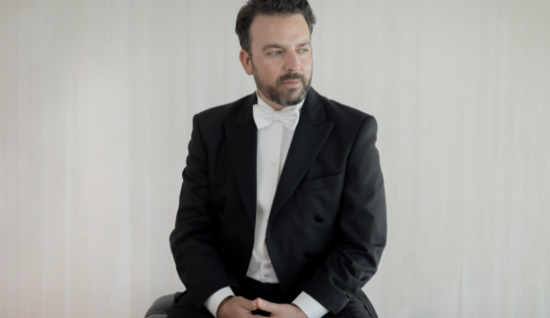
No doubt the memory of that vivid musical moment was behind the orchestra’s decision to dedicate June’s scheduled performances of Beethoven’s Ninth to the memory of Tilson Thomas who conducted the work seven times in his tenure as music director and then music director laureate. The conductor this time was James Gaffigan, who was associate conductor of the San Francisco Symphony under MTT from 2006 to 2009, and Thursday’s performance lived up to the hoopla.
Gaffigan led a very different interpretation from MTT’s, whose spaciousness savored every detail in his performances. The brisk tempo here focused on urgency, and the cumulative gathering of intensity paid big dividends in a thrilling finish. A strong quartet of vocal soloists and a stellar performance from an expanded chorus delivered magnificent singing to put a suitable cap on an evening that honored many memories of Tilson Thomas’s years as the face of this orchestra.
Tributes from three longtime San Francisco colleagues started the evening off with each speaker offering warm and casual memories that spotlighted definitive aspects of the late conductor’s tenure. Priscilla Geeslin (chair of the Board of Governors), Corty Fengler (member of the San Francisco Symphony Chorus) and Melissa Kleinbart (first violin) spoke of MTT’s ability to communicate what the music was about, including his own compositions.
The first half of the program presented three short works that made their points through the music. ‘Wie lieblich sind deine Wohnungen’ from A German Requiem begins with the thought ‘How lovely is Your dwelling place’ and continues with ‘my body and spirits rejoice’, to Brahms’s music of infinite beauty. Ives was a particular favorite of MTT’s, and in Gaffigan’s hands the composer’s The Unanswered Question combined stately string sound, gorgeous trumpet playing by principal Mark Inouye and chattering interruptions by the woodwinds. Gaffigan then led a tautly focused, joyful performance of Agnegram, a short bonbon of a march Tilson Thomas composed in 1998 for the 90th birthday of longtime board member Agnes Albert. It plays with the letters in her name and, in this more recent revision, quotes bits of her favorite pieces.
After the intermission, the Beethoven symphony began with an Allegro ma non troppo at a matter-of-fact pace that didn’t try to mine the emerging-from-the-mists aspects of the opening measures. And yet the rises and falls of the hints at melody and eventual coalescence of gestures managed to presage the Finale to come. The bold spikes of the dropping fourths that announce the second-movement Scherzo, which usually burst out emphatically, continued (in their way) the underplaying of the first movement’s opening measures.
Even the third movement’s Adagio molto e cantabile favored smoothly shaped phrasing without going for the deep soulfulness most conductors favor, and the chaotic storms of the Finale’s opening measures continued this feeling of understatement. It wasn’t until bass Peixin Chen intoned the first solo vocal line, ‘O Freunde, nicht diese Töne’, that the sizzle of hair-raising excitement came forth. The line, translated as ‘Oh friends, not these sounds’, was meant to refer to the dissonances of the movement’s opening measures. It took on a very different meaning in the context of this interpretation. If Gaffigan’s intent was to emphasize the sheer joyfulness of the ‘Ode to Joy’, it worked. The last 25 minutes just kept gaining energy as the familiar variations wended their way up through the end of the symphony.
Soprano Jessica Faselt and mezzo-soprano Kelley O’Connor deployed their silvery voices on the ecstatic music, tenor Thomas Cooley wove his lyric history with Baroque opera to spin fioratura around the melodies and Chen grounded it all with his resonant bass.
For their part the chorus delivered sweetness or sheer euphoria, whatever Beethoven’s lines called for. And Gaffigan brought increasing detail into play as the music turned in a different direction every minute. The final gestures steered through to a glorious finish.
Harvey Steiman