
 United Kingdom Mozart, Haydn, De Falla, Barber, Tchaikovsky, Prokofiev: Braimah Kanneh-Mason (violin), Mariatu Kanneh-Mason (cello), Isata Kanneh-Mason (piano), Jeneba Kanneh-Mason (piano). Wigmore Hall, London. 16.6.2026. (CSa)
Mozart – Sonata in C for piano 4 hands, K521; Violin Sonata in E minor, K304
Haydn – Piano Trio in G, HXV/25 ‘Gypsy Rondo’
De Falla – Nana from 7 canciones populares espaňolas
Barber – III. Allegro appassionato from Cello Sonata No.6
Tchaikovsky – I. Méditation from Souvenir d’un lieu cher, Op.42
Prokofiev – Prelude Op.12 No.7; Juliet as a Young Girl from Ten Pieces from Romeo and Juliet, Op.75; Piano Sonata No.7 in B-flat, Op.83
Classical music has often been marked not only by individual geniuses, but occasionally by extraordinary families whose talents and shared passions for music extend to more than one member. From the legendary Bach clan who produced generations of composers and musicians across Germany to the young Wolfgang Amadeus and his sister Maria Anna, nurtured and guided by their musical father Leopold Mozart. In the nineteenth century, Felix Mendelssohn and his sister Fanny were brilliant composers and performers both.
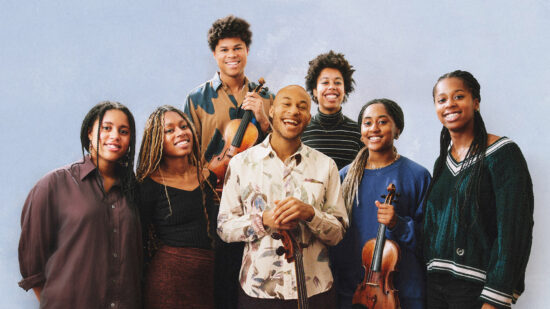
Today, thanks to the reach of social media, an appearance on Britain’s Got Talent in 2015, a recording contract with Decca Classics, and a Harry and Meghan tie-the-knot-Royal Wedding, most music lovers will be familiar with at least one member of the phenomenal Kanneh-Mason family and the remarkable story of the seven siblings all of whom are distinguished instrumentalists in their own right.
In their most recent appearance at Wigmore Hall, four of the seven appeared together in an imaginative programme which spanned three centuries and embraced a huge range of musical expression. Pianists Isata and Jeneba joined their brother, the violinist Braimah, and their youngest sister, 16-year-old cellist Mariatu – replacing an injured Sheku – to play works by Haydn, Mozart, Tchaikovsky, Manuel de Falla, Prokofiev and Samuel Barber.
The recital began with Mozart’s Piano Sonata in C for 4 hands, K521, and a perfect opportunity to express a shared familial bond through intimate musical dialogue. Isata, taking the primo part on the upper keyboard, and Jeneba playing the secondo role, exchanged bright repartee with confidence in the opening Allegro, their voices blending sympathetically in the more lyrical Andante. Both players were nicely coordinated in the lively Rondo, Jeneba driving the deeper rhythms while Isata developed the intricate passages in the higher range.
Jeneba returned to the platform with Braimah and Mariatu, to give us a well-balanced and witty ‘Gypsy Rondo’ Trio in G major and played its gently melodious Andante with pin-point accuracy. A well-blended second movement Poco adagio was followed by dancing Rondo which, while lacking the edgy gusto of some interpretations, was a model of communication and balance.
The second half opened with Manual de Falla’s Nana, the fourth song in his Siete canciones populares espaňolas, a tender, soothing Andalusian lullaby for piano and cello. It may have been a little short on Hispanic spice but with sisterly support on the piano from Jeneba, the confident young cellist gave us a flavoursome account. Similarly, Isata and Braimah’s pleasing rendition of Tchaikovsky’s soulful Méditation from Souvenir d’un lieu cher, originally intended as the slow movement of his violin concerto, would perhaps have benefitted from greater rubato and heart-on-sleeve emotion.
Three compositions by Prokofiev ended the published part of the programme. A delightfully realised Prelude Op.12 No.7 and a winsome account of Juliet as a Young Girl from Ten Pieces from Romeo and Juliet, both played by Isata were followed by a highlight moment: Piano Sonata No.7 in B-flat dazzlingly executed by Jeneba. Written between 1939 and 1942, Prokofiev gave artistic voice to the tension, anxiety and violence of the world around him in one of the most technically demanding pieces in the piano repertoire. These qualities were perfectly captured in an incandescent performance of sharp contrasting moods and biting rhythms, ending with a thrillingly percussive, cheer-eliciting, third movement Precipitato.
There is no doubt that this Kanneh-Mason ensemble offered us something to be treasured the other evening: a rare combination of outstanding technical ability, elegance, and unity. One hopes that their understandably safe, warmly familial and in almost all respects commendable approach to collective performance will in time make room for a little more risk-taking.
Chris Sallon